The Civic Featured on WKYC: Don't Judge a Book By the Cover
.
Don’t Judge the Outside: Inside Akron’s Stunning Civic Theatre
From the outside, it looks like a large brick building sitting quietly on South Main Street in downtown Akron.
But step through the doors of the Akron Civic Theatre and suddenly you’re transported into another world.
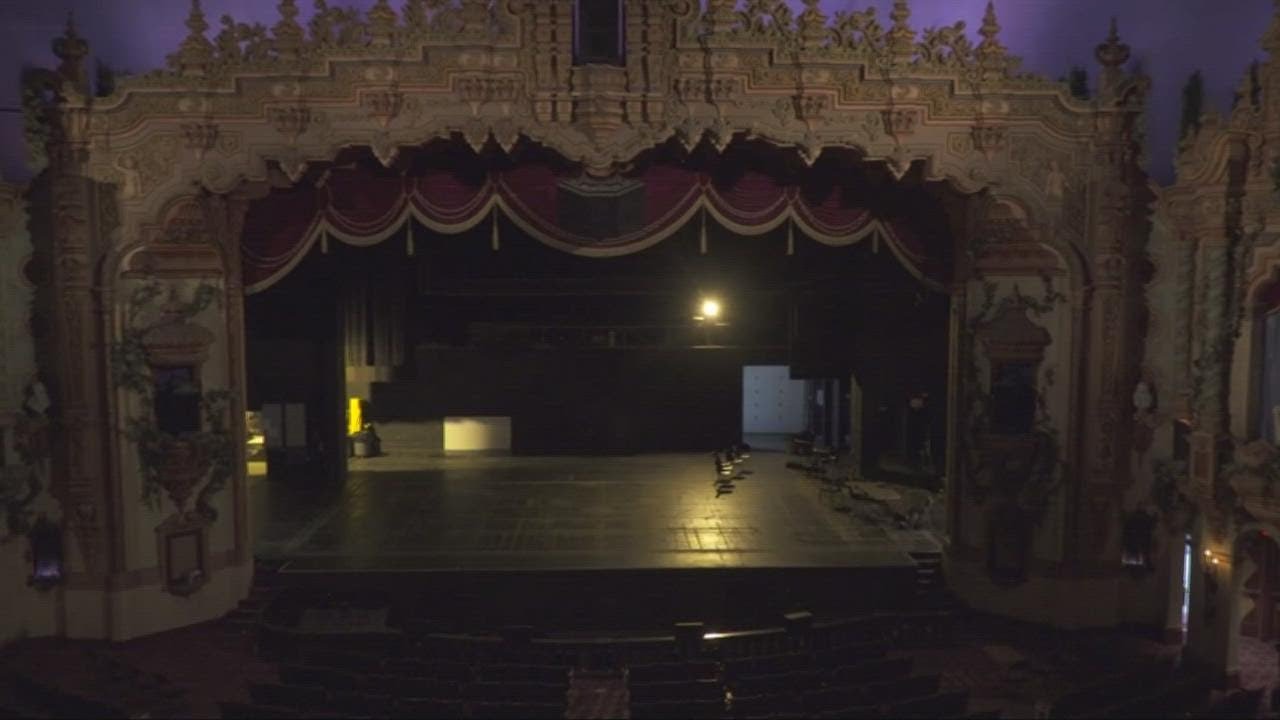
Twinkling stars fill the ceiling. Clouds drift overhead. Ornate architecture surrounds every corner. The grand lobby glows with vibrant colors and towering detail. It’s less like entering a theater and more like stepping into a dream.
That contrast is exactly what makes the Civic Theatre one of Akron’s most beloved landmarks.
A Downtown Treasure Since 1929
The theater first opened in 1929 as the Lowe’s Theater during the golden age of movie palaces. At the time, visitors could watch a movie and a vaudeville performance for just five cents.
It was also one of the first air-conditioned buildings in Akron, giving residents a cool escape during the summer months.
But the Civic wasn’t designed to feel like a building at all.
The architects wanted visitors to feel as though they were outdoors while sitting inside. The auditorium was built to resemble a Moorish garden, complete with fiber-optic stars, moving clouds, and leafy decorative arches stretching across the ceiling.
Executive Director Howard Parr says the immersive design is still one of the theater’s biggest attractions nearly a century later.
For first-time visitors, the experience can be overwhelming in the best possible way.
The Magic of the Grand Lobby
While the auditorium often steals the spotlight, many visitors are equally stunned by the theater’s grand lobby.
Associate Director Valerie Renner explained that much of the design inspiration came from famous European opera houses.
Architect John Eberson — known as “Opera House Johnny” — traveled throughout Europe studying elaborate theaters and brought those influences back to America. The Civic’s sweeping staircase was inspired by the French Opera House, helping create the feeling of elegance and escape the moment guests walk inside.
And hidden throughout the building is a playful piece of Akron Civic history: Loretta the macaw.
Meet Loretta, the Theater’s Famous Parrot
When the theater first opened, two macaws reportedly flew freely throughout the building.
Today, one of those birds — Loretta — has become a symbol of the Civic Theatre itself.
Her image appears throughout the building in carpets, walls, and decorative details. A taxidermy version of Loretta even overlooks the grand lobby, continuing to watch over generations of theatergoers.
It’s one of countless details that gives the Civic its personality and sense of history.
More Than a Theater
Over the years, the Civic has evolved beyond live performances and movies.
The theater now hosts community programming, partnerships with The University of Akron, live events, and productions tied to other downtown venues like the Goodyear Theater and Lock 3.
But according to theater leaders, the real power of the Civic lies in the memories it creates.
For some, it’s the memory of seeing the circus as a child. For others, it was their first date — or even their first kiss in the balcony.
Those personal connections have helped turn the Civic Theatre into more than just an arts venue. Leaders there see it as part community development organization, part economic driver, and part memory keeper for the city itself.
Keeping the Memories Alive
The Civic Theatre has remained open continuously since 1929 — an incredible accomplishment for a historic theater approaching its 100th anniversary.
Today, efforts are underway to make the exterior more inviting as well, including murals and digital signage that help showcase the magic waiting inside.
Still, everyone involved seems to agree on one thing:
No matter how the outside looks, nothing prepares you for stepping through those doors for the first time.
The Akron Civic Theatre isn’t just a building. It’s an experience — one that continues creating memories for new generations nearly a century after it first opened.